Three-dimensional surfaces: why they are becoming a standard in contemporary design
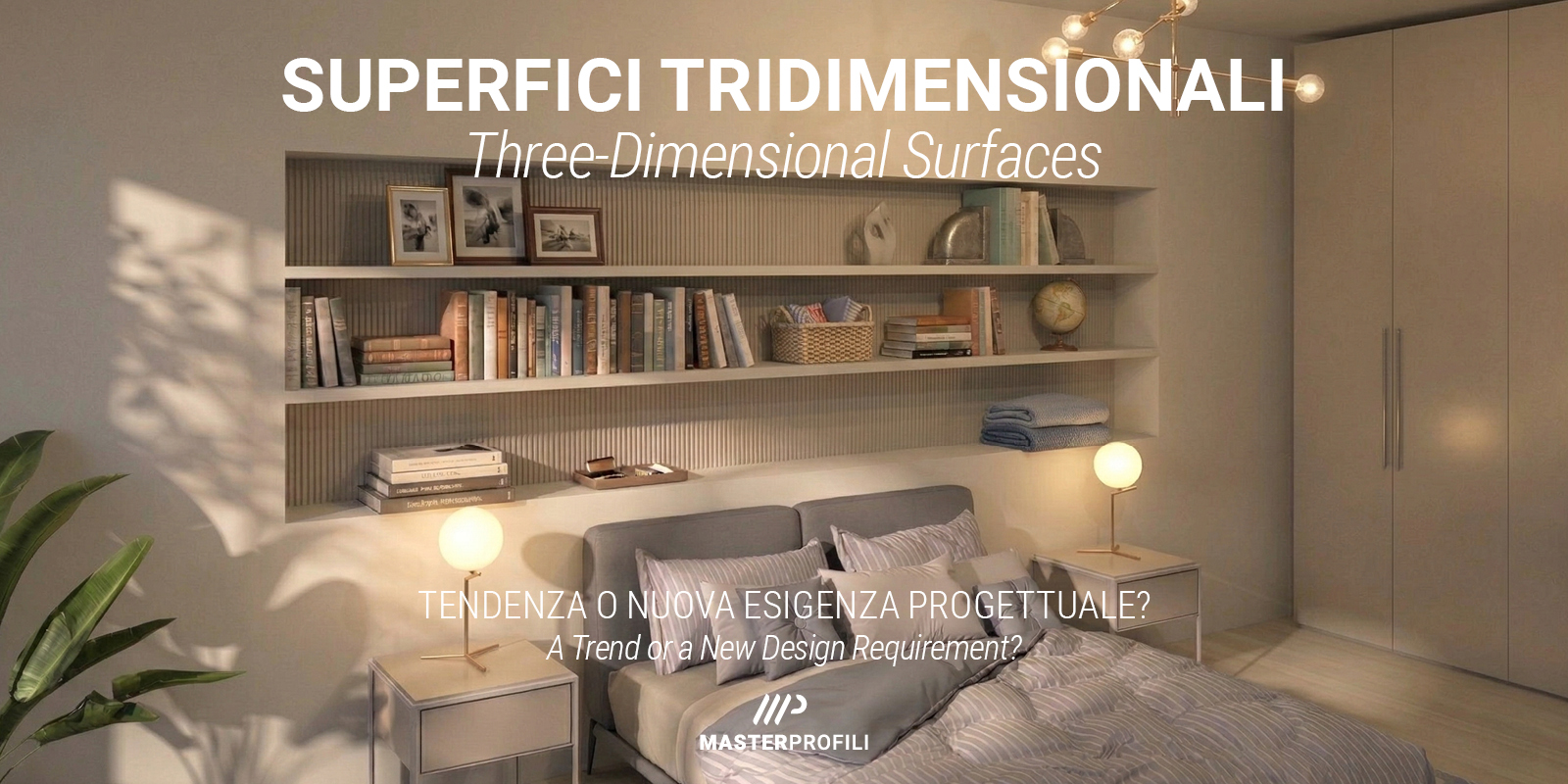
From wall cladding and doors to boiserie and contract interiors, three-dimensional surfaces are becoming increasingly prominent in interior design projects. What was considered a distinctive detail just a few years ago has now become a widely adopted design choice.
So, what is driving this evolution? Is it simply an aesthetic trend, or a response to new market demands?
The growing demand for customization, greater attention to the user experience, and the search for materials that add value without excessive decoration are turning three-dimensionality into a true design language.
What are three-dimensional surfaces?
The term three-dimensional surfaces refers to panels, cladding systems and furniture components featuring machining processes that create reliefs, grooves, patterns or textures capable of adding depth.
Unlike perfectly smooth surfaces, these textures change the way light interacts with the material, creating a continuous play of shadows and reflections that evolves throughout the day and according to the lighting conditions.
The result is a surface that helps define the character of a space.
Why are three-dimensional surfaces becoming so popular?
The evolution of interior design has changed the role of surfaces.
Today, designers, architects and manufacturers are looking for solutions that can create identity, differentiate products and enhance perceived quality, while also delivering aesthetic value.
Among the main advantages of three-dimensional surfaces are:
- enhancing both natural and artificial light;
- creating greater visual depth, even in minimalist spaces;
- adding character to large surfaces without relying on bold colours or decorative elements;
- offering extensive customization through patterns, rhythms and finishes;
- ensuring visual continuity between furniture, walls and architectural elements.
Three-dimensional surfaces have therefore become much more than a decorative feature. They are now an essential design tool that contributes to the overall identity of a space.
Where are three-dimensional surfaces used?
Today, three-dimensional surfaces are widely used across the furniture and interior design industries.
The most common applications include:
- kitchen and living room cabinet fronts;
- decorative wall panelling (boiserie);
- wall panels;
- walk-in wardrobes;
- interior doors and door systems;
- hotel and hospitality furnishings;
- retail spaces and showrooms;
- offices and executive environments.
Their widespread adoption demonstrates how three-dimensional surfaces have evolved into a versatile design language capable of adapting to a wide variety of architectural and interior styles.
There is more technology behind a three-dimensional surface than meets the eye
The quality of a three-dimensional surface depends on much more than its design.
Achieving a precise and repeatable result requires:
- accurate geometry development;
- high-quality materials;
- precision machining;
- perfect continuity between components;
- customization tailored to the specific project.
This balance between creativity and manufacturing expertise makes it possible to transform a design concept into a reliable, repeatable industrial product.
Customization is the real driver behind three-dimensional design
One of the key factors behind the growing demand for three-dimensional surfaces is the increasing need for customization.
Furniture manufacturers, door producers, design studios and contractors are all looking for solutions that allow them to differentiate their collections while maintaining a coherent design language.
Three-dimensional surfaces answer this need. Every pattern, profile and geometry can become a distinctive feature, strengthening both the identity of the project and its perceived value.
Master Profili’s experience
For many years, Master Profili has been developing profiles and components for the furniture industry, working alongside manufacturers looking for increasingly advanced aesthetic and production solutions.
The evolution of three-dimensional surfaces has led the company to develop specific expertise in designing geometries that integrate seamlessly into industrial production processes while ensuring high quality standards and extensive customization opportunities.
The Wavy collection is the result of this experience. It was developed in response to a clear market evolution, providing dynamic, customizable surfaces that integrate naturally into contemporary interior design projects.
Are three-dimensional surfaces just a trend?
Probably not.
Trends come and go, while design requirements evolve alongside the market.
The growing focus on authentic materials, customization, perceived quality and continuity between architecture and furniture suggests that three-dimensional surfaces will continue to play an increasingly important role in contemporary design.
More than an aesthetic feature, they represent a new approach to designing spaces—one where surfaces interact with light, enhance materials and help create distinctive, recognisable interiors.
 Strictly necessary cookies
 Functionality cookies
 Tracking cookies
 Targeting and advertising cookies